ST. PETERSBURG — A new, consumer-focused effort is launching in what some call Florida’s troubled condominium market, aiming to give buyers more transparency before they commit to a purchase.
|
Participation in the FCCA is voluntary. Associations can choose to seek certification as a way to demonstrate transparency, financial discipline, and long-term stability to buyers, residents, insurers, and lenders. |
Phil Piser, treasurer of the Bacopa Bay Condominium Association in Pinellas County, said when he purchased his unit six years ago, little financial information was provided.
“There was virtually no financial information provided
prior to the buying,” Piser said. “That’s ridiculous.”
Piser’s association is among a dozen taking part in the FCCA pilot program.
He said proactive steps, like completing required inspections early, can
help distinguish well-managed associations from those struggling to keep up.
The push for transparency predates the new laws. Bill Blazowski, founder of
the Alliance for Bayway Communities, said his group has spent more than a
decade helping associations share best practices and better understand
financial and regulatory requirements.
“We’ve seen it. There have been some extra costs that we’ve all had to
bear,” Blazowski said. “Some of it has to do with confusion over what the
requirements really are.”
Still, not all associations are equally prepared to meet the new standards.
“And not all associations are having an easy time with that because they’re
playing catch-up,” Blazowski said. “But our intention with the FCC is to
identify the associations which are already doing a good job, and help the
associations that aren’t.”
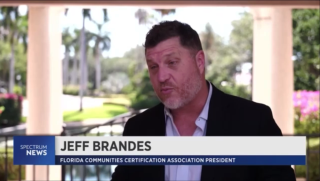
Brandes said the stakes are high in a state with roughly 27,000 condominium
associations and about 1.5 million condo owners.
“These 30-year-old buildings aren’t getting newer. Their challenges are just
getting more complex over time,” he said. “That’s why it’s so important, we
believe, to have an independent review.”
Participation in the FCCA is voluntary. Associations can choose to seek
certification as a way to demonstrate transparency, financial discipline,
and long-term stability to buyers, residents, insurers, and lenders.