|
Florida homeowners could have faced 72% higher
insurance premiums without reform, state analysis says |
|
Article Courtesy of Florida News
By Anita Padilla
Published September 25, 2026
|
|
TALLAHASSEE– Florida homeowners may not feel like they are getting much
of a break on insurance yet.
|
Still, an OIR analysis obtained
exclusively by Florida’s Voice shows just how much higher
premiums could have been without insurance reforms passed in
recent years.
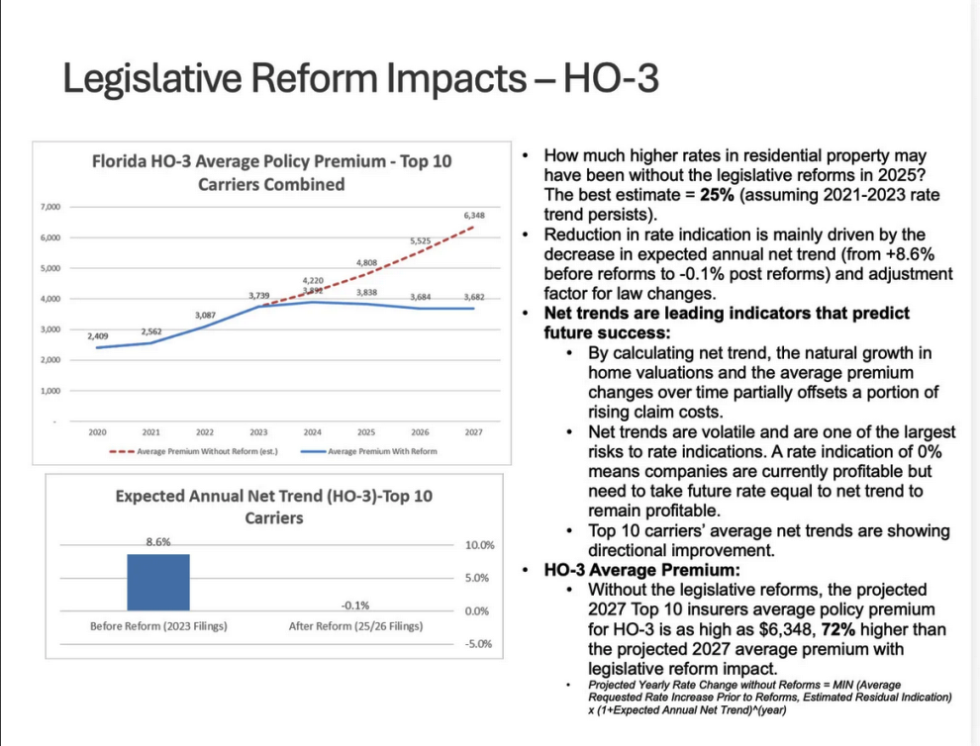
According to the analysis prepared by the Florida Office of
Insurance Regulation, the average premium for a typical
homeowners policy could reach $6,348 in 2027 without the
legislative reforms – about 72% higher than the projected
$3,682 average with the reforms.
The analysis looks at HO-3 policies, the type of homeowners
insurance commonly used for single-family homes.
The figures are projections, not a prediction of what every
homeowner will pay.
But they show how the state’s insurance
market might have developed without changes aimed at
reducing litigation costs and stabilizing the property
insurance industry.
|
|
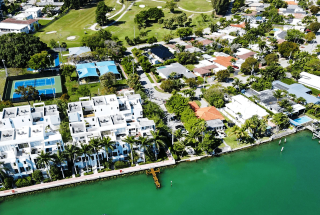
Homes on the water with docks in Miami Beach
|
The
difference is substantial.
Why
legal reforms can affect your insurance bill
The analysis shows the average HO-3 premium among the state’s 10 largest
insurers at about $3,739 in 2023. Without reforms, the projection climbs
sharply to $6,348 in 2027.
So why might changes to Florida’s legal system affect a homeowner’s
insurance bill?
In simple terms, insurers have to account for the cost of paying and
defending claims. When litigation becomes more expensive, those costs
can ultimately be built into the rates insurers seek from regulators.
Florida lawmakers passed major insurance and tort reforms in 2022 and
2023. The reforms changed how certain insurance-related lawsuits are
handled and gave regulators additional oversight of insurers.
The state analysis shows the expected annual net trend among the 10
largest insurers falling from 8.6% before the reforms to negative 0.1%
in more recent filings.
That doesn’t necessarily mean homeowners will suddenly see their
insurance bills cut in half.
Why
your insurance bill may still be high
Another major factor is the cost of the house itself.
If a home that cost $300,000 to insure several years ago now costs
substantially more to rebuild, the required coverage amount can
increase. Higher labor and material costs also affect replacement costs.
In other words, even if the insurance rate stabilizes, the homeowner’s
total bill can remain elevated because the value of what is being
insured has increased.
That helps explain why premiums can appear relatively flat even as the
underlying insurance market improves.
More signs of improvement
Other signs point to that improvement.
Citizens Property Insurance Corp., Florida’s insurer of last resort, had
about 1.42 million policies at its peak in October 2023. By August 2026,
that number had fallen to about 266,000, according to Citizens.
Citizens also reported that its 2026 homeowners multiperil rates were
approved for an average 8.8% decrease.
Florida still faces enormous insurance risks, particularly from
hurricanes, and those risks aren’t going away.
But the OIR analysis provides a straightforward way to understand why
the recent reforms matter to the person opening an insurance bill at the
kitchen table.
The bill might still be high. But according to the state’s analysis, it
could have been much higher without the reforms.
|